
Quick Summary
Coastal properties face a tougher combination of challenges than inland homes, including salt air corrosion, higher wind exposure, and intense heat. This article looks at whether a metal roof in climates like those along the Georgia coast holds up to these conditions, covering building codes, insurance implications, humidity-related risks, and how different coastal communities along our coastline face slightly different exposure levels.
Homes along the Georgia coast deal with a rougher set of conditions than properties further inland, and the roofing material sitting above your head plays a bigger role in how well your home weathers that reality than most people realize. This article goes beyond the basics of salt, wind, and heat to look at building codes, insurance considerations, humidity-related risks inside the home, and how exposure actually varies across different parts of our coastal service area.
Understanding Wind Zone Requirements Along the Coast
Georgia’s building codes include specific wind zone requirements that vary based on proximity to the coastline, and these requirements directly affect what roofing systems are permitted or recommended for a given property. Coastal counties typically fall under higher wind zone classifications than inland areas, which means roofing materials and installation methods need to meet stricter uplift resistance standards to remain code compliant.
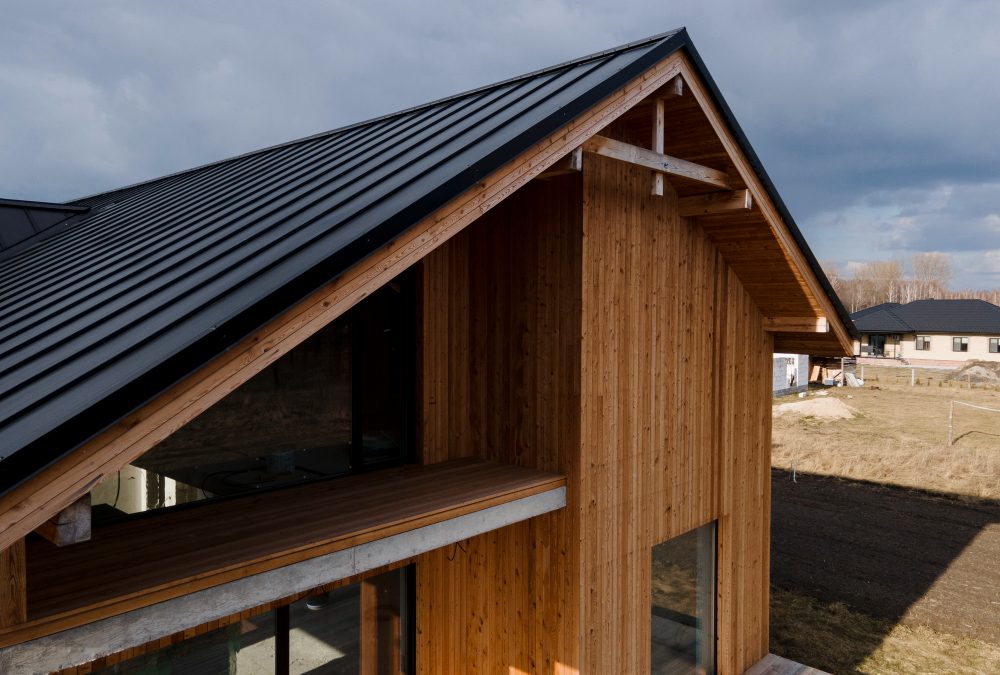
Standing seam metal roofing systems are frequently engineered and tested to meet these elevated wind zone requirements, with manufacturer specifications often listing exact wind uplift ratings that correspond to specific coastal wind zones. This is different from simply choosing metal roofing because it sounds sturdy. It means selecting a specific product and installation method that has been tested and rated for your exact wind zone classification, which a knowledgeable contractor should be able to confirm before installation begins.
Homeowners renovating or rebuilding after storm damage in coastal counties often discover these requirements for the first time during the permitting process, which can be an unwelcome surprise if it was not factored into the original roofing decision. Understanding wind zone classification early in the planning process avoids delays and ensures the roofing system chosen will actually pass inspection.
How Humidity Affects the Inside of Your Home, Not Just the Roof Surface
Most coastal roofing discussions focus on what happens to the exterior surface of the roof, but coastal humidity creates risks inside the attic and roofing system that are just as important to understand. Consistently high humidity levels can encourage condensation within an attic space, particularly if ventilation is inadequate, which over time can contribute to mold growth, wood rot in the roof deck, and reduced insulation effectiveness.
This risk exists regardless of roofing material, but it becomes especially relevant when installing a new roofing system, since proper attic ventilation should be part of any coastal roofing project rather than an afterthought. Ridge vents, soffit intake, and, in some cases, mechanical ventilation solutions all play a role in managing moisture buildup inside the attic space. Metal roofing systems, with their reflective properties, can help reduce the temperature differential that contributes to condensation, but ventilation design still matters enormously regardless of the surface material chosen.
Insurance Implications for Coastal Roofing Choices
Insurance considerations for coastal properties often differ meaningfully from inland homes, and roofing material choice can directly affect both premiums and coverage availability. Many insurers operating in coastal Georgia offer premium discounts for roofing systems that meet or exceed specific wind resistance standards, since these systems statistically reduce the likelihood of a major storm-related claim.
Some coastal insurance policies also carry separate wind and hail deductibles that differ from standard deductibles, and the percentage owed out of pocket can be significantly affected by the age and rated performance of your roofing system. Homeowners considering a roof replacement along the coast should request documentation of wind ratings and any relevant certifications from their contractor, since this paperwork is often required by insurers to apply available discounts or confirm coverage eligibility.
It is also worth having a conversation with your insurance provider before finalizing a roofing material decision, since some insurers have specific preferences or requirements tied to coastal wind zones that could influence which system makes the most financial sense once premiums are factored into the total cost picture.
Comparing Exposure Across Different Coastal Communities
Not every coastal Georgia community faces identical exposure levels, and understanding these differences can help homeowners make more informed decisions. Barrier island communities and properties directly facing open water typically experience the highest combination of salt exposure and wind loading, since there is little natural buffer between the structure and incoming weather. Homes set back from the immediate coastline, even by a few miles, often see somewhat reduced salt air exposure, though wind risk during named storms remains elevated throughout the broader coastal region regardless of exact distance from the water.
Elevation and surrounding vegetation also play a role. Homes situated among mature trees or slightly elevated terrain may experience somewhat different wind patterns than exposed, low-lying properties directly along open water or marshland. These distinctions matter when planning a roofing project, since a one-size-fits-all approach to coastal roofing ignores real variation in exposure across our service area, from Savannah and Tybee Island down through Richmond Hill, St. Simons, and Brunswick.
Comparing Metal Against Other Premium Materials for Coastal Use
While metal roofing performs exceptionally well along the coast, it is worth briefly acknowledging how it stacks up against other premium materials homeowners sometimes consider for coastal properties. Clay tile offers excellent heat resistance and a distinctive look, but its weight and the way individual tiles can be vulnerable to displacement under extreme wind make it a less straightforward choice for the highest wind exposure coastal zones without careful engineering. Asphalt shingles remain the most affordable option but generally underperform both metal and tile when it comes to wind uplift resistance and salt air durability, making them a less ideal long-term choice for homes directly along the water.
Metal roofing tends to offer the most balanced combination of wind performance, salt resistance, and manageable weight for the majority of coastal Georgia properties, which is a significant part of why it has become the material of choice for homeowners rebuilding or upgrading roofs in higher exposure coastal areas.
A Realistic Maintenance Schedule for Coastal Metal Roofs
Coastal metal roofing benefits from a slightly more attentive maintenance schedule than the same system installed further inland. An annual visual inspection, along with a follow-up inspection after any named storm or significant weather event, helps catch minor issues like loosened fasteners, damaged flashing, or coating wear before they develop into larger problems. Rinsing accumulated salt residue from the roof surface periodically, particularly for homes in the highest exposure areas closest to open water, can also help preserve the coating and extend the system’s effective lifespan.
This level of attentiveness is not burdensome, but it is more involved than what an inland property typically requires, and homeowners should factor this into their expectations when choosing coastal roofing rather than assuming zero maintenance is realistic simply because metal is a durable material.
Making the Right Call for Your Coastal Property
Choosing roofing for a coastal Georgia home involves more variables than an inland property, from wind zone compliance and insurance implications to humidity management and the specific exposure profile of your exact location. A properly specified metal roofing system addresses most of these challenges effectively, but the details matter enormously, and a generic approach to coastal roofing can leave real vulnerabilities in place despite an otherwise quality material choice.
Coastal Elite Roofing has built its reputation serving property owners throughout Savannah, Tybee Island, Richmond Hill, St. Simons, and the surrounding coastal Georgia communities. Our team also stays current on regional wind zone requirements and coastal installation best practices so your roofing system is built to actually perform where you live, not just look good on paper. If you are weighing your options for a coastal property, reach out, and we will help you think through the specifics that matter most for your exact location.
FAQs
How much closer to the coast does salt exposure become a real concern for roofing materials?
Salt exposure risk generally increases within a few miles of the coastline, though wind direction, elevation, and local geography can extend or reduce that range. Properties directly on barrier islands or immediately along the water face the highest exposure and benefit most from coastal grade materials.
Do coastal homes need different roof inspections than inland properties?
Yes, coastal roofs benefit from more frequent inspections since salt air and storm exposure can accelerate wear in ways that are not always visible from the ground. Many coastal homeowners schedule inspections at least once a year, plus after any significant storm event.
Is stainless steel a good option for coastal roofing?
Stainless steel resists corrosion very well but is significantly more expensive than aluminum or coated steel, making it less common for residential coastal roofing projects. Aluminum typically offers a better balance of corrosion resistance and affordability for most coastal homeowners.