
Quick Summary
A small water stain or an occasional drip during heavy rain is easy to dismiss, especially when it does not seem to be causing any obvious problems day to day. But a minor leak rarely stays minor for long. Left unaddressed, it can damage insulation, rot wood framing, and create the exact conditions mold needs to thrive.
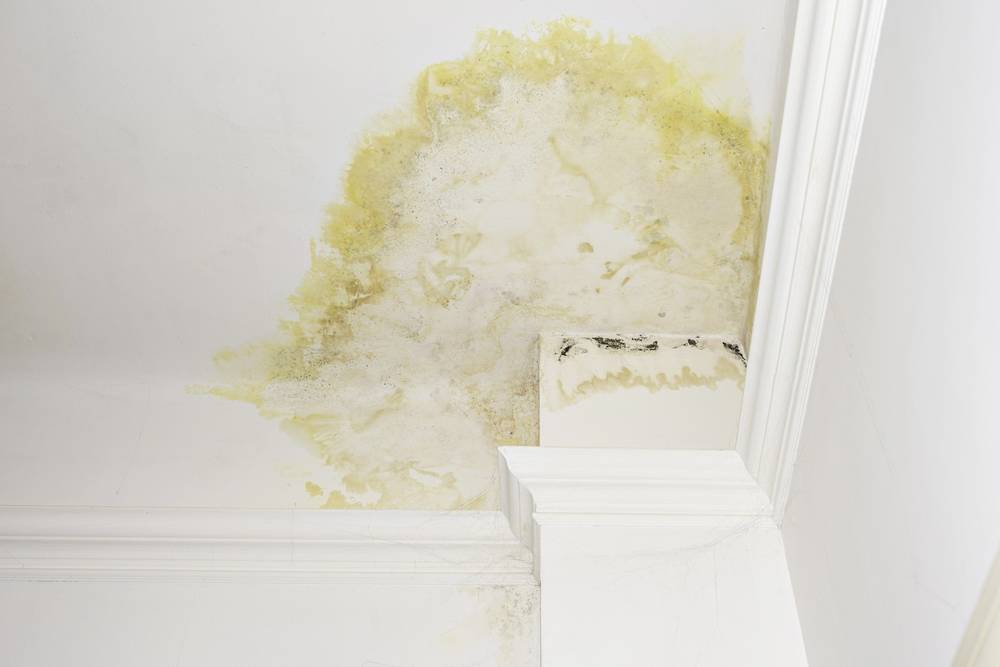
The visible sign of a leak, whether it is a faint ceiling stain or an occasional drip, represents only a fraction of the actual moisture moving through the structure. Water travels along rafters, insulation, and drywall before it ever becomes visible, which means that by the time a homeowner notices a stain, the dangers of roof leaks have often already been building for weeks or months out of sight.
Prompt roof leak repair can help identify the source before hidden moisture leads to more extensive damage.
How a Minor Leak Escalates Into a Major Problem
Once water finds its way past the roofing material, it typically saturates the underlying decking first. Wood decking that stays consistently damp begins to soften and weaken over time, a process that can take months to become visible but progressively compromises the roof’s structural integrity.
From there, water tends to spread along the path of least resistance, often traveling well beyond the original point of entry before dripping down into living spaces.
The Mold Risk Is Real and Fast-Moving
According to the Centers for Disease Control and Prevention, mold can begin growing on damp materials within twenty-four to forty-eight hours, and once established, it can be difficult and costly to fully remove, particularly if it spreads into wall cavities or insulation.
Beyond property damage, mold exposure can contribute to respiratory irritation and allergic reactions in some individuals, which makes prompt roof leak repair a health consideration as much as a maintenance one.
Insulation Loses Its Effectiveness When Wet
Most common insulation materials lose a significant portion of their insulating value once they become wet, and they often do not fully recover that performance even after drying. This means a small, ongoing leak can quietly raise heating and cooling costs long before the leak itself becomes obvious, since the insulation is no longer doing its job effectively in the affected area.
Structural Damage Can Extend Beyond the Roof
In more severe cases, prolonged moisture exposure can affect ceiling joists, wall framing, and even flooring below the leak if water travels far enough. What starts as an isolated roofing repair can turn into a much larger project involving carpentry, drywall replacement, and flooring repair if the leak is allowed to continue unchecked for an extended period.
Why Small Leaks Are Often Harder to Diagnose
Ironically, small leaks can sometimes be more difficult to pinpoint than large, obvious ones, since the entry point on the roof may be far from where the water eventually appears inside. This is one of the reasons professional roof inspections matter, since an experienced technician knows how to trace water back along framing members to its true source rather than simply patching the visible drip point.
Why Prompt Roof Repairs Save Money
Repairing a small leak early, before it causes secondary damage to decking, insulation, or interior finishes, is almost always significantly less expensive than addressing the full scope of damage after months of neglect. What might have been a straightforward shingle and flashing repair can turn into a project involving structural roof repair, mold remediation, and interior restoration if left too long.
What to Do the Moment You Notice a Small Leak
The safest approach is to treat any sign of water intrusion as worth investigating right away, even if it seems minor. A quick call to schedule an inspection costs far less than the risk of letting a small problem grow.
Coastal Elite Roofing has spent more than a decade helping homeowners across southeast Georgia catch these issues early, and our free inspections make it easy to get a professional opinion without any upfront commitment.
Common Sources of Small, Overlooked Leaks
Some of the most persistent minor leaks trace back to sources that are easy to overlook during a casual glance at the roof.
A slightly cracked pipe boot around a plumbing vent, a nail that has backed out and left a small gap, or sealant around a skylight that has begun to dry and crack are all common culprits.
None of these issues look dramatic from a distance, which is exactly why they tend to go unaddressed until the resulting leak has already caused noticeable interior damage.
How Weather Patterns in Georgia Make This Worse
Southeast Georgia’s combination of intense summer heat, sudden thunderstorms, and high humidity creates conditions that accelerate the effects of a small leak.
Repeated cycles of heating and cooling cause roofing materials and sealants to expand and contract, gradually widening small gaps that started out barely noticeable.
High humidity also means that once moisture becomes trapped in an attic or wall cavity, it has fewer opportunities to fully dry out between rain events, which speeds up the timeline for mold growth and wood decay compared to drier climates.
The Value of Catching Problems During Routine Maintenance
Many small leaks are first identified not because a homeowner notices water damage, but because a routine inspection catches an early warning sign, such as slightly curling shingles or a small area of granule loss, before any water has actually penetrated the roofing system.
This is one of the strongest arguments for scheduling regular inspections rather than waiting for visible symptoms, since catching a vulnerability before it becomes an active leak avoids the interior damage altogether.
The Emotional Cost of Letting a Leak Linger
Beyond the financial and structural consequences, there is a quieter cost to living with an unresolved leak: the nagging worry every time it rains, the reluctance to open a closet that smells slightly musty, and the general unease of knowing something in the home needs attention.
Addressing the problem promptly removes that background stress and lets homeowners stop wondering whether this storm will be the one that finally causes real damage.
How Roofing Material Affects How Quickly a Leak Develops
The type of roofing material in place also influences how a small leak behaves over time. Asphalt shingles can develop gaps gradually as granules wear away and edges begin to curl.
Metal roofing, when properly installed and maintained under its 50-year warranty, is generally more resistant to minor leaks but can develop issues at fastener points or seams if not inspected periodically.
Clay tile roofing, also covered by a 50-year warranty through our installations, can crack from impact or foot traffic, creating small gaps that are easy to overlook during a casual glance.
Understanding how your specific roofing material tends to fail helps focus attention on the areas most likely to develop a problem first.
A Simple Rule Worth Remembering
If there is one takeaway worth carrying forward, it is this: any sign of water where it does not belong deserves a prompt look, regardless of how minor it appears. Roofs are designed to be a home’s first and most important line of defense against the weather, and even a small breach in that defense compounds quietly over time. Addressing it early is almost always simpler, safer, and less expensive than waiting to see if it gets worse.
Do not let a small leak turn into a much bigger and more expensive problem. Get roof inspection with Coastal Elite Roofing and get a clear, honest answer about what is happening on your roof.
FAQs
How can I tell if a small ceiling stain is from an active leak?
Press gently on the stained area. If it feels soft or damp, or if the stain grows after rain, the leak is likely still active and worth addressing promptly.
Can a small leak really lead to mold in my attic?
Yes. Attics provide the dark, often poorly ventilated conditions mold needs to grow once moisture is present, and a persistent leak can create exactly those conditions.
Is it worth getting an inspection if the leak only happens occasionally?
Intermittent leaks are still worth investigating, since they often indicate a specific weak point, such as flashing or a pipe boot, that consistently fails under certain conditions like heavy wind-driven rain.
Will homeowners insurance cover damage caused by a long-ignored leak?
Coverage for damage resulting from neglect or lack of maintenance is often limited or excluded, which is another reason to address leaks quickly rather than waiting.