
Quick Summary
Metal roofing is not a single product, and choosing between AG-3 standard rib panels and standing seam systems can significantly affect cost, appearance, and long-term performance. This article explains how each system is built, compares their durability and price, and helps you figure out which panel type fits your property, your budget, and your goals.
Once a homeowner or business owner decides that metal roofing is the right direction, a second decision follows almost immediately, and it catches a lot of people off guard. Metal roofing is not one uniform product. There are several distinct panel systems, each with different installation methods, price points, and performance characteristics. Two of the most common options property owners in Georgia end up comparing are AG-3 standard rib panels and standing seam systems. These two panel types can look somewhat similar from a distance, but they are built very differently, and that difference matters more than most people expect.
What Is an AG-3 Standard Rib Panel?
AG-3 standard rib, sometimes just called AG panel or R panel depending on the manufacturer, is an exposed fastener metal panel. In this kind of panel, the screws holding the panel to the roof deck are visible on the surface of the panel itself, driven directly through the metal and into the structure below, usually with a rubber washer to seal each penetration point. This panel style features a repeating pattern of ribs running the length of the panel, spaced at regular intervals, which gives the roof a distinct corrugated look. AG-3 panels are widely used on agricultural buildings, barns, workshops, and increasingly on residential homes and smaller commercial structures where a straightforward, cost-effective metal roofing option is desired. The appeal of AG-3 panels comes down to simplicity and affordability. Because the panels attach directly through the surface rather than through a hidden clip and seam system, installation moves faster and requires less specialized labor, which keeps the overall cost lower than standing seam alternatives.
What Is Standing Seam Metal Roofing?
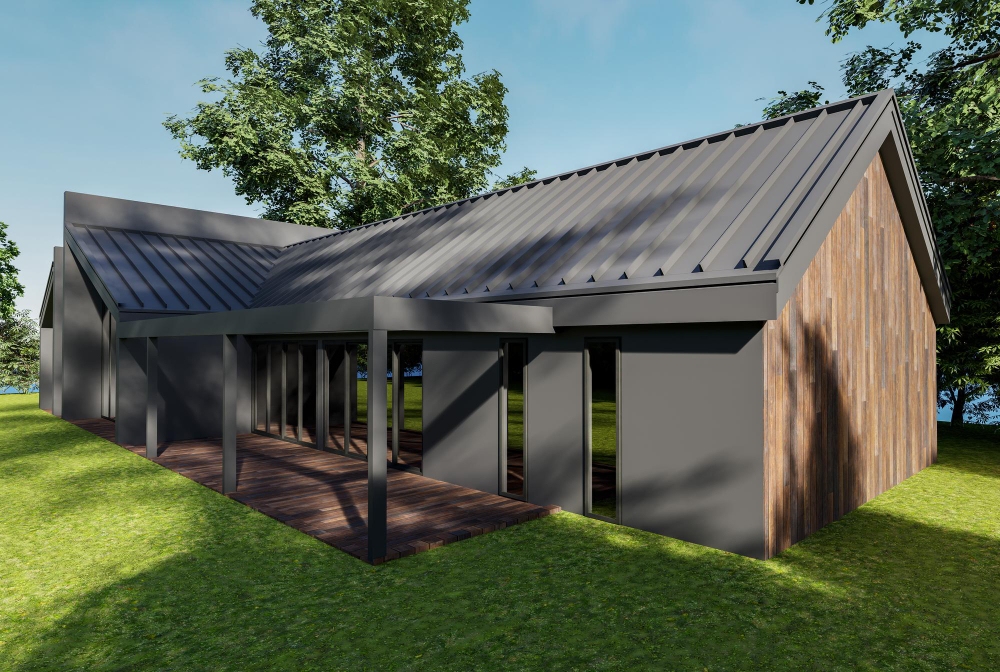
Standing seam panels take a different approach entirely. Rather than exposing fasteners on the panel surface, standing seam systems use hidden clips that attach the panel to the roof deck, with adjoining panels then locked together at a raised vertical seam. Nothing penetrates the panel surface directly, and the fasteners are completely concealed beneath the interlocking seam. This construction method gives standing seam roofing a cleaner, more streamlined appearance, with smooth vertical lines running from ridge to eave and no visible screw heads anywhere on the surface. It also changes how the roof performs over time, since there are far fewer potential points where water could eventually work its way underneath the panel.
Comparing Cost Between the Two Systems
Price is usually the first thing property owners want to understand, and there is a meaningful gap between these two panel types. AG-3 standard rib panels are typically the more affordable metal roofing option, often costing several dollars less per square foot installed compared to standing seam. This makes it an attractive choice for larger structures like barns, warehouses, or agricultural buildings where covering a large amount of square footage cost-effectively matters more than aesthetic refinement. Standing seam systems cost more, both because of the material itself and because installation requires more skilled labor and specialized equipment. That higher price reflects real differences in performance and appearance, not just branding.
Longevity and Performance Differences
Both panel types are considerably more durable than asphalt shingles, but they are not identical in how they perform over the long term, particularly when it comes to water resistance. Exposed fastener systems like AG-3 panels have a known weak point, which is the fastener penetrations themselves. Over time, the rubber washers sealing each screw penetration can degrade from UV exposure and temperature cycling, eventually requiring the fasteners to be checked and sometimes replaced to maintain a watertight seal. This is a manageable maintenance item, but it is a real consideration that does not exist with standing seam systems, since there are no surface penetrations to maintain. Standing seam roofing, with its hidden fastener design, avoids this particular failure point almost entirely. Combined with its superior wind uplift resistance from the interlocking seam construction, standing seam panels are generally considered the higher performing option for long-term durability, particularly in areas that see significant temperature swings, heavy rain, or high wind events.
Appearance and Use Case Considerations
Beyond cost and performance, the two systems simply look different, and that visual distinction often plays into the decision as much as the technical factors. AG-3 standard rib has a more utilitarian, corrugated appearance that suits agricultural buildings, storage structures, and some commercial applications well. It is a familiar, functional look that many property owners associate with practical, no-frills construction. Standing seam has a more refined, contemporary appearance with clean vertical lines and no visible fasteners, which is why it has become the preferred choice for residential homes, especially in architectural styles where a polished, modern look matters. It is also increasingly common on higher-end commercial buildings and mixed-use developments where curb appeal and building aesthetics carry real weight.
For property owners weighing residential options, browsing what a residential roofing project typically involves can help clarify which panel style fits the look and function you are aiming for. Commercial property owners considering either system for a warehouse, retail space, or office building may find it useful to review what goes into a commercial roofing project, since the scale and structural considerations often differ significantly from residential installations.
Installation Complexity and Timeline
Installation timelines differ between the two systems as well, largely due to the difference in technique required. AG-3 panels install relatively quickly since the process involves fastening pre-formed panels directly to the roof deck in a straightforward sequence. This makes AG-3 a practical choice when a project needs to move fast, whether due to weather timing, budget constraints, or a tight construction schedule. Standing seam installation takes longer because of the precision required to properly align and lock each panel’s seams, along with the additional trim work needed at ridges, valleys, and penetrations to maintain the system’s water resistance. This additional time investment during installation is part of what contributes to standing seam’s higher overall cost, but it is also directly connected to the superior long-term performance the system delivers.
Maintenance Expectations for Each System
Ongoing maintenance differs meaningfully between the two options as well. AG-3 panels benefit from periodic inspection of the exposed fasteners, since these are the primary point of potential failure over time. Checking for loose screws, degraded washers, or surface corrosion around fastener points should be part of a regular maintenance routine, particularly as the roof ages past the fifteen- or twenty-year mark. Standing seam systems require comparatively less routine maintenance since there are no exposed fasteners to monitor. Periodic inspection of seams, flashing, and any roof penetrations is still worthwhile, but the overall maintenance burden tends to be lighter across the life of the roof.
Which System Makes Sense for Your Project
The right choice ultimately comes down to your building type, your budget, and your priorities. If you are roofing an agricultural structure, a workshop, or a large commercial building where cost per square foot matters most and aesthetics are a lower priority, AG-3 standard rib panels offer excellent value and solid long-term performance for the price. If you are roofing a home, a storefront, or any structure where appearance, minimal maintenance, and maximum longevity matter most, standing seam is generally the stronger investment despite the higher upfront cost.
Roofing decisions like this deserve a real conversation about your specific structure, budget, and long-term goals rather than a generic recommendation. Coastal Elite Roofing has spent more than a decade helping property owners across Statesboro and the surrounding Southeast Georgia communities compare these exact panel systems side by side, and our team is fully licensed and insured with experience across both residential and commercial installations.
If you are trying to decide between AG-3 and standing seam for your own property, reach out and we will help you weigh the tradeoffs honestly so you land on the system that actually fits your needs.
FAQs
Q: Can AG-3 panels be upgraded to standing seam later without replacing the whole roof?
Generally no. The two systems use different installation methods and structural attachment points, so switching from one to the other typically requires a full roof replacement rather than a partial upgrade. It is worth choosing carefully upfront based on your long-term plans for the property.
Is one panel type better suited for steep roof pitches than the other?
Both systems can be installed on steep pitches, but standing seam is often preferred on steeper residential roofs due to its cleaner appearance and superior water shedding capability. AG-3 remains a common and effective choice on the lower slope roofs typical of agricultural and commercial buildings.
Do AG-3 panels rust faster than standing seam panels?
Rust resistance depends more on the coating and material quality than the panel style itself. However, because AG-3 has exposed fasteners, those penetration points can become entry points for moisture over time if washers degrade, which can lead to localized corrosion if not maintained.