
Quick Summary
Common roof leaks often result from damaged shingles, failing flashing, clogged gutters, cracked pipe boots, or ventilation problems. Identifying these issues early can help prevent water damage and more expensive repairs. A professional inspection can locate the true source of a leak and determine whether a targeted repair or broader solution is needed.
Every roof, regardless of age or material, is under constant stress from sun, wind, and rain. In southeast Georgia, that stress is amplified by intense summer heat, sudden thunderstorms, and periods of high humidity that never fully let roofing materials dry out between weather events. Over time, this combination wears down the small components that keep a roof watertight, which is why roof leak repair remains one of the most requested services we provide across Statesboro and the surrounding communities.
Understanding where leaks typically originate and recognizing the signs of roof leak activity early gives homeowners a real advantage. Catching a problem before it spreads almost always means a simpler, less expensive repair.
Damaged or Missing Shingles
Shingles form the first line of defense against rain, and even a single cracked, curled, or missing shingle can create an opening for water to reach the layers beneath. Wind is the most frequent cause, lifting shingle edges during storms until they eventually tear away completely. Sun exposure also plays a long-term role, gradually drying out the asphalt and causing granules to shed, which leaves the shingle more brittle and prone to cracking.
When our team finds damaged shingles during a roof repair visit, we check the surrounding shingles as well, since damage rarely appears in complete isolation. A storm strong enough to tear off one shingle has usually loosened several others nearby, even if they have not failed yet.
Flashing Failures Around Roof Penetrations
Flashing is the thin metal material installed around chimneys, vents, skylights, and any point where the roof plane is interrupted. Over time, sealant around flashing dries and cracks, fasteners loosen, and metal can corrode, all of which create small gaps that let water in gradually rather than all at once.
Because flashing problems often produce a slow, intermittent drip rather than an obvious gush of water, they are frequently misdiagnosed or missed entirely during a casual inspection.
Our technicians examine every flashing point closely, since this is one of the areas most likely to hide the true source of a leak that has been blamed on something else.
Clogged and Damaged Gutters
Gutters are designed to carry water away from the roofline and foundation, but when they fill with leaves, pine straw, and other debris, water has nowhere to go except back up under the roof edge. This backup can saturate the fascia board, rot the roof decking near the eaves, and eventually work its way into the attic or ceiling below. Damaged or improperly pitched gutters create the same problem even when they are clear of debris, since water pools instead of draining properly.
Regular gutter cleaning, especially during the fall when trees shed heavily, is one of the simplest and most effective ways to prevent this type of leak from developing in the first place.
Cracked Pipe Boots and Vent Seals
Every plumbing vent that passes through the roof is sealed with a rubber or plastic boot designed to keep water out while allowing the pipe to pass through. These boots are constantly exposed to sun and temperature swings, and the material eventually dries out, cracks, or shrinks away from the pipe, creating a direct path for water to enter.
Because pipe boots are small and easy to overlook, this is one of the most frequently missed sources of a persistent, hard-to-diagnose leak.
Improper Attic Ventilation and Condensation
Not every leak originates from an opening in the roofing material itself. Poor attic ventilation can trap warm, moist air, which condenses on cooler surfaces like the underside of the roof deck or rafters, mimicking the appearance of a roof leak even when the roofing system is otherwise intact.
Diagnosing this correctly is important, since sealing the roof further would do nothing to solve a ventilation-driven condensation problem.
Age-Related Wear Across the Entire Roofing System
Sometimes a leak is not the result of a single failed component but the cumulative effect of a roof simply reaching the end of its expected lifespan.
Asphalt shingles typically last twenty to thirty years depending on quality and installation, and as that timeline approaches, multiple small vulnerabilities tend to develop across the roof at once.
In these cases, repairing one leak often reveals that others are close behind, which is an important consideration when deciding between a repair and a full roof replacement.
The Early Warning Signs Worth Watching for
Recognizing the signs of a developing leak before water actually enters the living space gives homeowners the best chance of a simple, inexpensive fix.
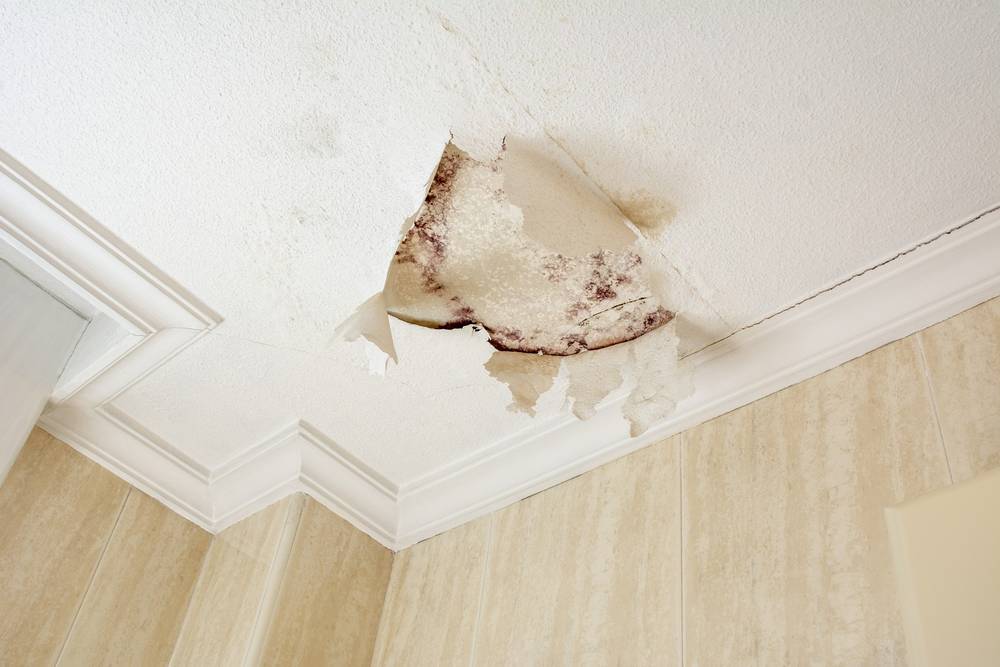
Watch for granules collecting in gutters or at the base of downspouts, shingles that appear curled, cracked, or missing, a musty smell in an attic or upper closet, discoloration on ceilings or upper walls, and daylight visible through the roof deck when viewed from inside the attic.
Any one of these signs is worth a prompt call for a professional look, even if no active dripping has been noticed yet.
How Our Team Diagnoses the True Source of a Leak
One of the most important parts of fixing a roof leak correctly is identifying where the water is actually entering, which is not always the same place it becomes visible inside the home. Water often travels along rafters, sheathing, or insulation before dripping down at a point well away from the original opening. Our technicians trace this path methodically, starting with a close visual inspection of the roof surface and, when helpful, drone imagery to examine hard-to-reach areas, then following the moisture trail through the attic to confirm the true entry point before any repair begins.
This approach matters because patching the spot where water appears on a ceiling, without finding the actual opening on the roof, almost always results in the same leak reappearing after the next significant rain.
How We Complete the Repair
Once the source is confirmed, our crew addresses it directly, whether that means replacing damaged shingles, resealing or replacing flashing, installing a new pipe boot, or repairing rotted decking beneath the roofing material.
We use high-quality materials, including Atlas shingle products backed by a lifetime warranty, because a repair is only as good as the materials used to complete it.
For metal roofing, which we install with a 50-year warranty, and clay tile, also backed by a 50-year warranty, repairs require specific techniques suited to those materials, and our team is experienced with each one.
Commercial clients with TPO roofing, covered by a 25-year warranty, receive heat-welded seam repairs performed to the same standard as new installation work.
Why Choosing an Experienced Local Team Matters
With more than ten years serving Statesboro and southeast Georgia, we have repaired leaks across nearly every roofing material and construction style common to the area.
That experience means we recognize patterns quickly, know which materials perform best against local weather, and can often narrow down the likely cause of a leak before we ever step onto the roof, simply based on the home’s age and the symptoms described over the phone.
As a locally owned and operated company, we also understand that a leak is more than an inconvenience. It is a disruption to daily life and a source of real worry about the home’s condition.
Preventing Leaks Before They Start
The most effective way to avoid the disruption of a roof leak is routine maintenance paired with regular inspections.
Cleaning gutters twice a year, trimming overhanging branches, and scheduling an annual roof inspection allow small issues, such as a slightly lifted shingle or a hairline crack in a pipe boot, to be caught and corrected before they ever become an active leak.
Homeowners who follow this kind of routine consistently spend far less over time on emergency repairs and interior damage.
Standing Behind Our Work
A repair is only as valuable as the confidence a homeowner has in it holding up over time. We back our workmanship with a clear warranty and remain available if any questions come up after a repair is completed.
Combined with high-quality materials and a diagnostic process built around finding the true source of a leak rather than guessing, this approach is why so many homeowners across Statesboro and southeast Georgia continue to trust Coastal Elite Roofing with their roofs year after year.
Do not wait for a small leak to become a much bigger problem inside your home. Get roof inspections with Coastal Elite Roofing and let our experienced team find the real cause, not just the symptom.
FAQs
What is the most common cause of roof leaks?
Damaged or missing shingles and failed flashing around roof penetrations are among the most frequent causes we encounter, particularly following storms or as roofing materials near the end of their expected lifespan.
How can I tell if my attic moisture is condensation or a real leak?
Condensation tends to appear more broadly across cooler surfaces and often correlates with weather changes rather than rainfall specifically, while an active leak typically follows a clear path from a specific point on the roof. A professional inspection can confirm which one you are dealing with.
Can I repair a small roof leak myself?
Temporary measures like a tarp can help limit damage in an emergency, but a lasting repair requires identifying the true source of the leak, which is best handled by an experienced roofing professional to avoid the problem recurring.