
Quick Summary
Clay tile roofing brings a distinctive look and impressive durability to homes, but it is not the right fit for every property or every budget. This article covers what makes a clay tile roof appealing, how it performs in Georgia’s climate, what it typically costs, and the tradeoffs worth understanding before committing to this material.
Clay tile roofing has a timeless quality that few other roofing materials can match. Its warm, earthy tones and distinctive curved or flat profiles bring a Mediterranean or Spanish architectural influence that stands out on both historic and modern homes throughout Georgia. Beyond looks, clay tile has earned its reputation as one of the longest-lasting roofing materials available, which is part of why it continues to show up on higher-end residential projects across the Southeast. That said, clay tile is a significant investment with real tradeoffs, and it is not automatically the right choice simply because it looks beautiful.
What Makes Clay Tile Roofing Distinctive
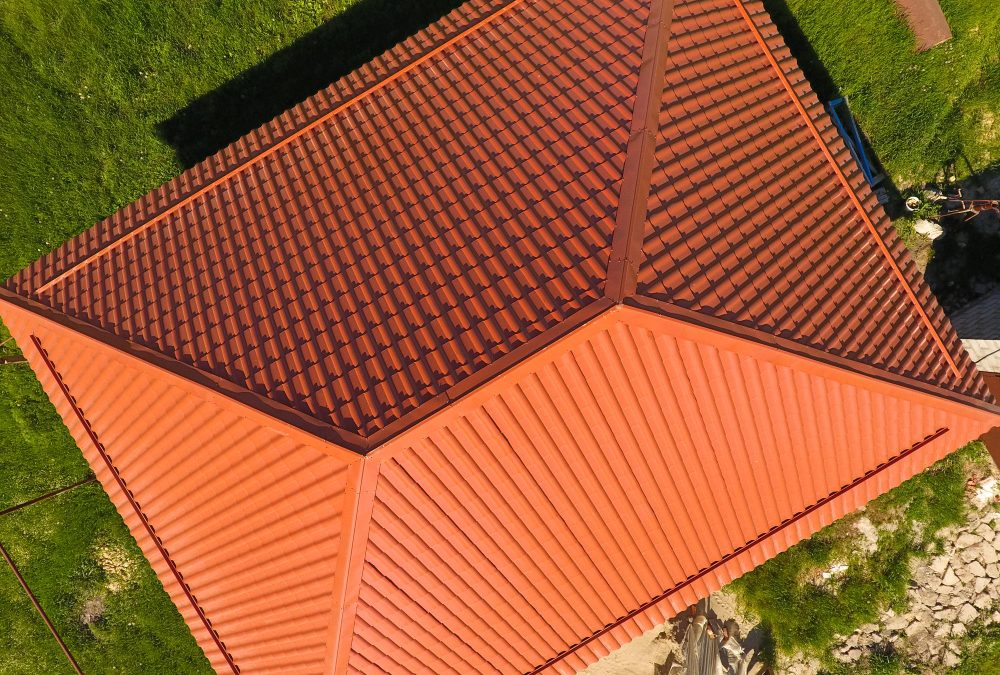
Clay tiles are manufactured by shaping natural clay into individual tile units, which are then fired at high temperatures to achieve their characteristic hardness and durability. This process has been used for centuries, and modern clay tile manufacturing has refined it further with improved consistency, a wider range of finishes, and better quality control than older production methods allowed. Tiles come in several profile styles, including the classic curved barrel or S-shaped tiles most associated with Mediterranean and Spanish architecture, along with flatter interlocking tile styles that offer a more contemporary appearance. Color options range from traditional terracotta orange to more muted earth tones, grays, and even blended color patterns that add visual texture to a roofline.
Beyond aesthetics, the material itself brings genuine performance benefits. Clay is naturally fire-resistant, which is a meaningful safety advantage compared to some other roofing materials. It also holds up exceptionally well against insect damage and rot, since it contains no organic material for pests or moisture to break down over time.
How Clay Tile Performs in Georgia’s Climate
Georgia’s combination of intense summer heat, high humidity, heavy seasonal rainfall, and occasional severe storms puts real demands on any roofing material, and clay tile handles most of these conditions impressively well. Heat resistance is one of clay tile’s strongest attributes. The material does not degrade under UV exposure the way asphalt does, and its natural thermal mass actually provides a degree of insulation benefit, helping regulate temperature beneath the roof surface. This can translate into a cooler attic space during Georgia’s long, hot summers, which is a meaningful advantage for energy efficiency.
Rain and humidity are generally not a problem for properly installed clay tile, since the material itself is naturally water-resistant and does not absorb moisture the way some organic roofing materials can. However, the underlayment beneath the tiles plays a critical role in the system’s overall water resistance, and quality installation matters enormously here, since the tiles alone are not what keeps water out of the structure below.
Wind resistance is where clay tile requires more careful consideration. Individual tiles can be vulnerable to displacement or cracking under severe wind loads or heavy debris impact, particularly during tropical storms or hurricane conditions that occasionally affect coastal and near-coastal Georgia. Proper installation, including appropriate fastening methods and attention to local wind zone requirements, significantly reduces this risk, but it remains a factor worth discussing seriously for properties in higher wind exposure areas.
Clay Tile Roofing Cost in Georgia
Clay tile sits toward the higher end of residential roofing costs, generally running higher per square foot than both asphalt shingles and most metal roofing systems. Material costs alone tend to be substantial, and installation requires specialized labor and, in many cases, additional structural considerations, since clay tile is considerably heavier than asphalt shingles or metal panels.
This weight factor is important to understand before committing to clay tile. Many homes, particularly older structures, may need a structural assessment to confirm the roof framing can adequately support the added weight of a full tile roof. This can add engineering and potentially reinforcement costs to a project, which should be factored into your overall budget from the start rather than discovered partway through the process.
Despite the higher upfront investment, clay tile’s exceptional durability helps offset the cost over time. A well-installed and maintained clay tile roof can last 50 to 100 years, which is comparable to or even exceeds the lifespan of premium metal roofing systems. For homeowners planning to stay in a property long term, or those who prioritize a distinctive architectural statement that will remain intact for generations, the long-term value proposition can be compelling despite the high initial cost.
Maintenance Considerations for Clay Tile Roofs
Clay tile roofing requires a different maintenance approach compared to asphalt or metal. While the tiles themselves are highly durable, individual tiles can crack from impact, whether from fallen branches, foot traffic during other maintenance work, or severe hail. Cracked or displaced tiles should be addressed promptly, since a compromised tile can allow water to reach the underlayment beneath it. Periodic inspection of the underlayment and flashing is particularly important for clay tile roofs, since these components typically have a shorter lifespan than the tiles themselves and may need replacement or repair before the tiles do. This is worth understanding upfront, since a clay tile roof’s true lifespan often depends as much on the quality and condition of these supporting elements as on the tiles themselves.
Comparing Clay Tile to Other Roofing Materials
Against asphalt shingles, clay tile wins decisively on lifespan and heat performance, but comes with a significantly higher upfront cost and added structural considerations that asphalt does not require. Against metal roofing, the comparison is closer, since both materials offer excellent longevity and strong heat resistance, though metal generally handles wind loads more predictably and does not carry the same weight-related structural concerns. For homeowners drawn specifically to the aesthetic of clay tile, particularly for homes with Mediterranean, Spanish, or Southwestern architectural influences, the material offers a look that other roofing options simply cannot replicate. For homeowners prioritizing wind resistance in higher exposure coastal areas, or those working with a home that cannot easily support additional roof weight, other premium materials may be a more practical fit. Homeowners exploring their full range of options can review what our residential roofing services cover to understand how clay tile fits alongside other premium roofing materials available for Georgia homes.
Is Clay Tile the Right Choice for Your Home
Clay tile roofing is a genuinely excellent material for the right property and the right homeowner. It offers unmatched aesthetic character, outstanding heat performance, fire resistance, and a lifespan that can outlast several generations of asphalt roofs. But it demands a serious upfront investment, careful structural consideration, and a maintenance approach suited to its specific needs.
Before committing to clay tile, it is worth having your home’s structure assessed, understanding the full cost picture including any necessary reinforcement, and being honest with yourself about the wind exposure your property faces. For many Georgia homeowners, particularly those with the right architectural style and budget, clay tile delivers a roofing solution that is as functional as it is beautiful.
If you are weighing clay tile against other premium roofing materials for your Georgia home, requesting a free metal roof estimate alongside a tile roofing consultation can help you compare real numbers side by side rather than guessing at costs. Coastal Elite Roofing brings more than a decade of hands-on roofing experience to every material conversation, and as a locally owned company serving Statesboro and the surrounding coastal Georgia communities, we take pride in helping homeowners choose materials that genuinely fit their home rather than pushing whatever is easiest to sell.
Reach out, and we will help you figure out whether clay tile is the right long-term investment for your property.
FAQs
Can clay tile roofing be installed on any home, or does it require special framing?
Not every home can support clay tile without modification, since the material is significantly heavier than asphalt shingles or metal panels. A structural assessment is typically recommended before installation to confirm the existing roof framing can handle the added weight, particularly on older homes.
How do repairs work if a single clay tile cracks or breaks?
Individual tiles can usually be removed and replaced without disturbing the surrounding roof area, provided matching replacement tiles are available. This is one advantage of tile roofing, since isolated damage rarely requires a broader repair the way some other materials do.
Does clay tile roofing require special insurance considerations?
Some insurers view clay tile favorably due to its fire resistance and longevity, though wind-related coverage in coastal or storm-prone areas may vary by provider. It is worth discussing your specific roofing material with your insurance company to understand how it affects your policy and premiums.
How does clay tile compare to concrete tile roofing?
Clay tile tends to hold its color better over time and has a longer track record of extreme longevity, while concrete tile is generally more affordable and slightly heavier. Both offer strong durability, so the choice often comes down to budget, weight considerations, and personal aesthetic preference.