
Quick Summary
The main warning signs on a commercial roof are water that stays ponded long after rain, splits, cracks or blisters in the membrane, open or lifting seams, leaks and ceiling stains inside, damaged flashing at walls and curbs, and rust or loose fasteners on metal roofs. Small, isolated problems can usually be repaired. What decides between repair and replacement is how widespread the damage is, whether the insulation underneath is wet and how often the roof has leaked before. A professional inspection answers all three.
A commercial roof rarely fails without warning. Most problems announce themselves months ahead, through standing water, worn seams or a stain on a ceiling tile. Knowing those signs, and calling for commercial roofing services when you see them, protects your building, your inventory and your business hours.
Coastal Elite Roofing is locally owned and operated in Statesboro, and we repair and replace commercial roofs across Bulloch County, Chatham County and Southeast Georgia. If you spot any of the signs below, book a free roof inspection and estimate. We will tell you what the problem is and what it will take to fix it.
Why Early Signs Matter For Commercial Roofing Services
Commercial roofs in our area take a beating. Summer heat dries out membranes and sealants. Humidity keeps moisture in the air most of the year. Tropical storms and strong thunderstorms bring wind that pulls at edges and heavy rain that tests every seam. Near the coast, salt air adds corrosion to the list.
A small problem caught early is usually a repair. The same problem left for a season can let water into the insulation, where it spreads out of sight. Wet insulation loses its value, adds weight and can damage the deck below it. By the time water reaches the inside of the building, the repair is often much larger.
Ponding Water
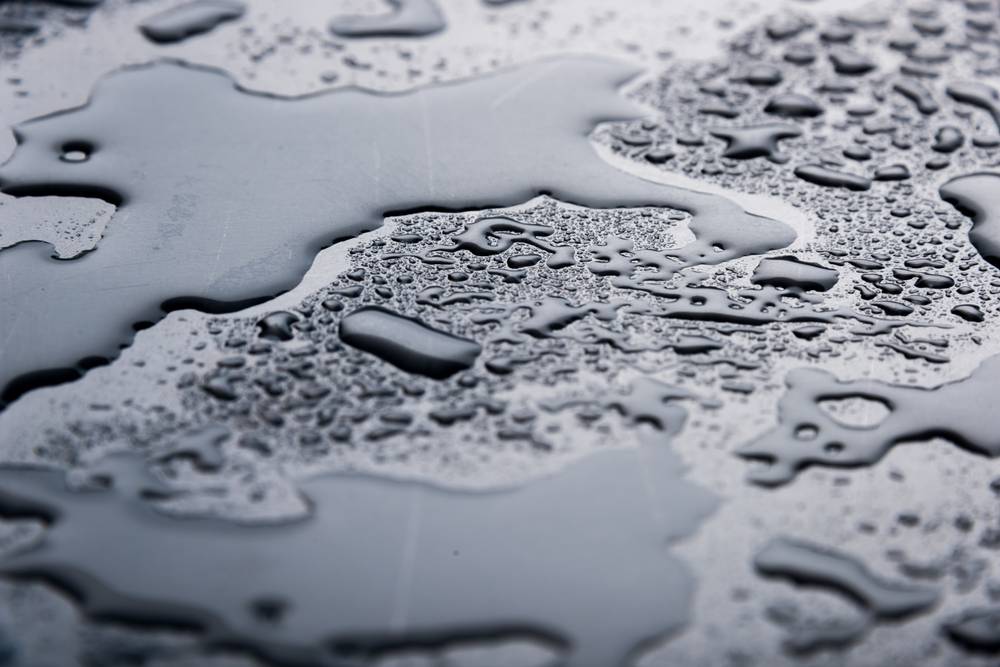
Flat roofs are not perfectly flat. They are built with a slight slope so water drains to gutters, scuppers or internal drains. When water sits on the roof for days after a storm, something is wrong.
Ponding usually points to clogged drains, a sagging deck, compressed insulation or a roof that was never sloped well. Standing water adds weight, speeds up wear on the membrane and finds any small opening. It also collects dirt and debris that can grow algae and hold moisture against seams.
Start by checking that drains and scuppers are clear. If water still ponds after they are cleaned, have a roofer look at the slope and the deck underneath.
Membrane Splits, Cracks And Blisters
The membrane is the roof’s waterproof skin, so damage to it matters. On a TPO roof, look for punctures, tears and areas where the surface has worn thin. Dropped tools, foot traffic and debris from storms are common causes.
On a cap and base modified bitumen roof, watch for cracks in the cap sheet, granule loss that exposes the asphalt below and blisters. Blisters are raised bubbles where air or moisture has been trapped between layers. Heat makes them swell, and once they break, water can get in.
A few small splits or blisters can often be repaired. Widespread cracking, alligatored surfaces or many blisters across the roof suggest the membrane is near the end of its useful life.
Seam Failures
Seams are where sheets of membrane overlap and are joined together. On TPO roofs, they are heat-welded. On cap and base, the laps are bonded with heat or adhesive. Seams are also where wind uplift does the most work during a storm.
Look for edges that curl up, laps that have separated or gaps you can see from a careful walk of the roof. Even a small open seam can let in a surprising amount of water during heavy rain, because water runs along the seam before it finds the opening. Seam repairs are common and usually straightforward when they are caught early.
Leaks, Stains And Interior Clues
Many roof problems show up inside before anyone looks at the roof itself. Watch for:
- Water stains or sagging on ceiling tiles
- Drips or puddles after rain, especially near walls, columns or rooftop units
- Musty smells or mold in upper floors or storage areas
- Peeling paint or damp spots high on interior walls
- Rising cooling costs, which can point to wet or damaged insulation
Keep in mind that water often travels before it drips, so the leak on the roof may be some distance from the stain inside. That is one reason a professional inspection is worth it. For a full list of what to check, see our commercial roof inspection checklist.
Flashing And Edge Damage
Flashing seals the roof where it meets parapet walls, rooftop equipment, pipes, skylights and the roof edge. These transitions move as the building heats and cools, and they take the brunt of wind during storms.
Signs of trouble include flashing that has pulled away from the wall, cracked or missing sealant, loose edge metal and coping caps, and gaps around HVAC curbs. Damaged edge metal is especially important to fix before storm season, since a loose edge gives wind a place to grab and peel the roof back.
Rust And Loose Fasteners On Metal Roofs
Metal roofs handle a lot, but they have their own warning signs. In Southeast Georgia, and especially closer to the coast, salt air and humidity speed up corrosion. Look for:
- Rust spots on panels, trim or around fasteners
- Fasteners that have backed out or lost their rubber washers
- Sealant at panel laps and trim that has dried out or cracked
- Panels that rattle, lift or have shifted in high wind
Surface rust caught early can often be treated and sealed. Loose fasteners and failed sealant can be replaced. Rust that has eaten through panels, or widespread fastener failure, usually means sections of the roof need replacing.
Storm Damage To Check After Severe Weather
After a hurricane, tropical storm or strong thunderstorm, damage can appear all at once. Once it is safe, have someone walk the property from the ground and look for:
- Pieces of membrane, edge metal or coping on the ground or in the parking lot
- Rooftop units, vents or satellite equipment that have shifted
- Branches and debris resting on the roof or blocking drains
- New leaks or stains inside, especially along exterior walls
Even when nothing looks wrong from below, a post-storm inspection is worth booking. Wind can lift a seam or loosen fasteners without leaving obvious marks, and hail can bruise a membrane in ways only a close look will find. Dated photos and a written report from the inspection also help if you need to file an insurance claim.
Repair Or Replace
Once you know what the roof is showing you, the question is what to do about it. A roof repair is usually the right choice when:
- The damage is limited to a few areas
- The insulation underneath is dry
- The membrane or metal is otherwise in good condition
- Leaks are recent, not a long-running pattern
Replacement becomes the better option when damage is spread across the roof, the insulation is wet over large areas, leaks keep coming back after repairs, or the roof is near the end of its service life. Moisture surveys and core cuts help show what is happening under the surface so you are not guessing.
A good contractor will explain what they find and give you options. Wesley described that kind of communication in a 5-star review: “Anytime the crew noticed an underlying issue, they immediately notified me and presented clear solutions to fix it.”
If replacement is the right call, our article on the commercial roof replacement process explains what to expect. We install Mulehide TPO, Worthouse metal and cap and base systems, and we will help you choose the one that fits your building.
Commercial Roof Maintenance That Catches Problems Early
Regular commercial roof maintenance is the simplest way to stay ahead of these signs. A basic plan includes:
- A professional inspection at least once a year, ideally in spring before hurricane season
- An inspection after any major storm
- Clearing drains, scuppers and gutters of leaves and debris
- Limiting roof access to people who need to be there, with walkway pads near equipment
- Keeping records of inspections, repairs and warranty paperwork
Small repairs made promptly can help a commercial roof stay in service longer and let you plan replacement on your own schedule instead of during an emergency.
FAQs
How quickly should I call a roofer after I notice a leak?
As soon as you can. Mention on the call where the drip appeared and when it started, since water may already be traveling through the insulation away from that spot. Move inventory and equipment away from the drip, place containers to catch water and photograph the area. If the leak is active during a storm, ask about emergency service so the roof can be secured quickly.
Can a commercial roof be repaired in sections?
Often, yes. Localized damage such as a punctured membrane, an open seam or a failed flashing detail can be repaired without touching the rest of the roof. The key is confirming the surrounding insulation is dry. If moisture has spread, patching the surface only hides the problem, and a larger repair or partial replacement may be the better investment.
Should I wait until after storm season to address roof problems?
No, waiting is usually the riskier choice. Storms put the most stress on seams, flashing and roof edges, which are the same places where existing damage tends to be. A weak area that might hold through calm weather can fail in high wind or heavy rain. Fixing known problems before the season starts protects the building and gives you more scheduling options.
Call Coastal Elite Roofing at (912) 612-2062 to book your free roof inspection and estimate.