
Quick Summary
A professional roof inspection works through a set checklist: the roof surface and shingles, flashing and every vent or pipe that passes through the roof, gutters and edges, the attic and its ventilation, and signs of storm or coastal damage. Each finding is then documented with markings, photos and an estimate if work is needed. What decides how deep the inspector goes on each item is your roof’s age, its material and the weather it has seen. Coastal Elite Roofing’s inspections and estimates are free.
A roof can look fine from the street and still have small problems working against it. Professional roof inspection services follow a checklist so nothing gets skipped, and that structure is what turns a quick look into real protection for your home.
Coastal Elite Roofing is locally owned and operated in Statesboro, and our team inspects homes across Bulloch County, Chatham County and Southeast Georgia. Every homeowner can book a free roof inspection and estimate, so you can see this checklist in action on your own roof. The roof work itself is for trained crews with safety gear, so use this list to know what to expect, not as a guide for climbing up.
Roof Surface And Shingles
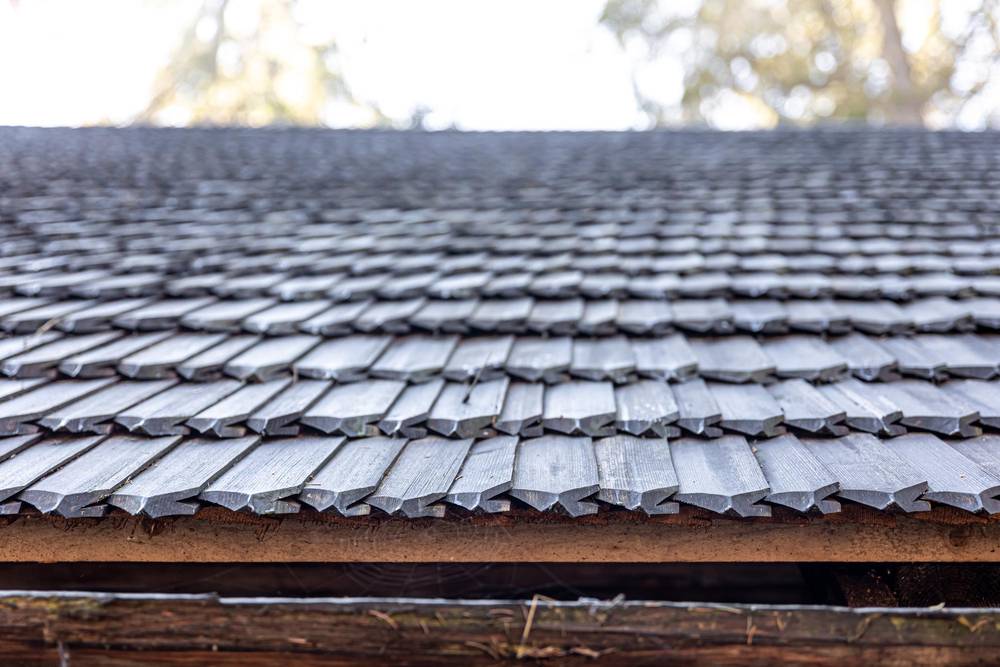
The inspector starts with the material that takes the weather head-on. On an asphalt shingle roof, the checklist covers:
- Missing or broken shingles: gaps that leave the underlayment exposed
- Lifted, creased or curled tabs: signs that wind has broken the seal or heat has aged the shingle
- Granule loss: bare or smooth patches where the protective surface has worn away
- Algae, moss and debris: growth and buildup that hold moisture on the roof
- Uneven lines or soft spots: hints of damaged decking below
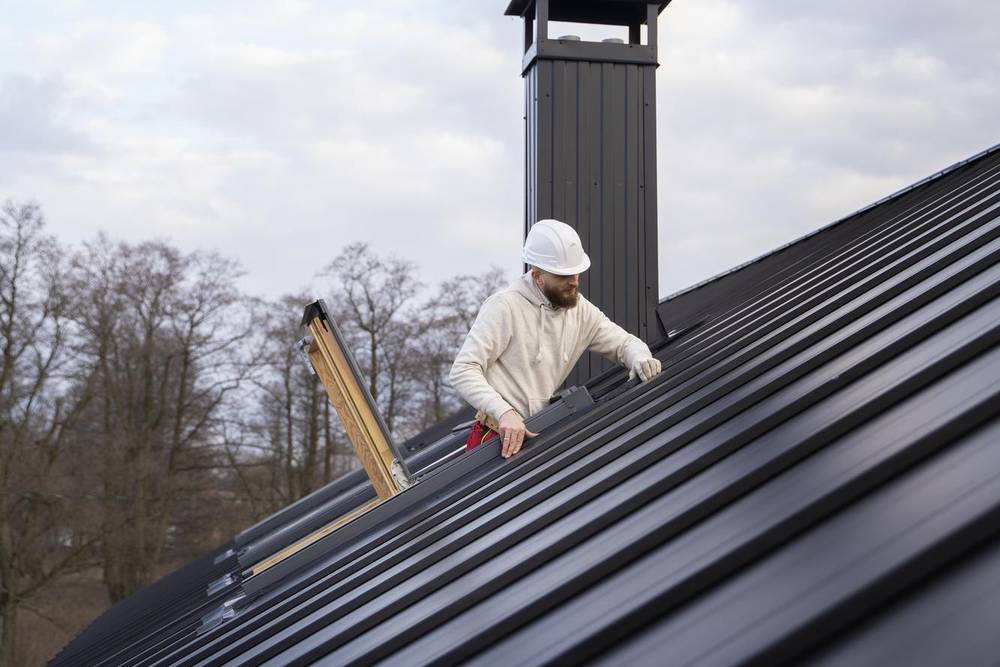
Metal roofs get a similar pass, with attention on loose panels, backed-out fasteners, worn seals and early rust. For more detail on asphalt roofs, see our shingle roof inspection checklist.
Flashing and Vents
Anywhere the roof meets a wall or something passes through it, there is a seam. Seams are where many leaks begin, so this part of the checklist gets close attention:
- Chimney flashing: metal that has pulled away, cracked caulk or rust
- Step and wall flashing: where a roof slope meets a second story or dormer
- Valley flashing: the channels where two slopes meet and water runs heaviest
- Pipe boots: rubber collars that crack and shrink in summer heat
- Roof vents and exhaust fans: loose covers, damaged housings and worn seals
- Skylights: the frame, the flashing kit and any fogging between panes
Small gaps here can let water run along the decking for weeks before it shows on a ceiling, which is why inspectors check each one by hand. On older homes, they also look for flashing that was covered with roofing cement during an earlier repair, since that kind of patch tends to crack again as the roof heats and cools each day.
Gutters, Drip Edge And Fascia
The roof’s job is to move water off the house, and the edges finish that job. Inspectors look for gutters that sag, pull away or hold standing water. They check downspouts for clogs and look at what has washed into the gutters, since heavy granules point to aging shingles.
The drip edge, the metal strip at the roof’s edge, should direct water into the gutter rather than behind it. Behind the gutter, the fascia boards are checked for rot, peeling paint and soft wood. Water damage at the edge often means water has been backing up under the first rows of shingles.
Attic, Decking And Ventilation
Some of the most useful findings come from inside. In the attic, the inspector checks:
- Water stains, dark spots or damp areas on the underside of the decking
- Wet, matted or moldy insulation
- Daylight showing through boards, nail holes or vent openings
- Sagging rafters or decking between supports
- Intake and exhaust vents that are blocked or missing
Ventilation matters a lot in our climate. A poorly vented attic traps summer heat and humid air, which ages shingles from below and can lead to condensation and mold. An inspector who skips the attic misses half the story.
Coastal Damage Checks
Southeast Georgia roofs face weather that leaves specific marks, so a local inspector adds a few items to the standard checklist.
Wind Damage
Hurricanes, tropical storms and strong summer storms can lift shingles without tearing them off. The inspector looks for creases along the top of the shingle, broken seal strips and shingles that slide when gently lifted.
Hail Damage
Hail can leave round bruises, cracked shingles and missing granules in a scattered pattern. Dents in gutters, vents and metal flashing help confirm a hail event.
Salt Air And Humidity
Near the coast, salt air corrodes metal flashing, fasteners and vent housings faster than it would inland. Across the region, humidity feeds algae and moss on shaded slopes. Both get noted, along with how far the wear has gone.
Overall Structure And Remaining Life
After the individual checks, a good inspector steps back and looks at the roof as a whole. Is the ridge line straight? Do any slopes dip or wave? Are there signs of more than one layer of shingles, or patches in different colors that point to earlier repairs?
These details help the inspector judge the roof’s age and condition. That judgment is the most useful part of the report for planning, because it tells you whether to budget for small repairs over the next few years or start thinking about a replacement. Results vary with the material, the installation and the weather your roof has faced, so ask the inspector to explain how they reached their view.
How Findings Are Documented
A checklist is only useful if you can see the results. With Coastal Elite Roofing’s free inspections, the findings come with:
- Detailed chalk markings on every damaged area
- A drone photo report showing the condition of the whole roof
- A list of every issue found, with possible solutions
- Repair or replacement estimates, if work is needed
- Help with your insurance company when there is storm damage
Wesley described the experience in a 5-star review: “Anytime the crew noticed an underlying issue, they immediately notified me and presented clear solutions to fix it.” That is how documentation should work, with no surprises.
A careful walk-through also matters. Madi wrote in a 5-star review that the inspector “took the time to look everything over carefully and explain the process.” You should leave an inspection knowing what was checked and why.
What Homeowners Can Check Safely
You can help between professional visits without leaving the ground. Walk around the house after storms and look for shingles in the yard or bent gutters. Use binoculars to spot missing pieces or dark patches. Check the attic with a flashlight after heavy rain. If you see anything unusual, take a photo and call a roofer rather than climbing up yourself.
Low-slope sections on porches or additions have their own concerns. For those, see our flat roof inspection checklist.
FAQs
How often should a roof go through a full inspection checklist?
Once a year is a good baseline, plus a visit after any major storm. In Southeast Georgia, spring is the best time for the yearly check, since repairs can be finished before hurricane season. Older roofs and homes near the coast may benefit from a fall visit as well, once the storm season has passed and any new damage can be found.
Can I use this checklist to inspect my own roof?
Use it to know what a professional should cover, not as a plan for climbing up. If you feel tempted to go up, call a roofer instead, since a misstep on a pitched roof is dangerous and foot traffic can crack shingles softened by heat or slick from rain. From the ground and the attic, you can spot warning signs and share photos with a roofer. When you book an inspection, ask the inspector to walk you through each item on the list.
What should I do if the inspection finds a problem?
Start with the estimate and photos, and ask which issues need attention now and which can wait. Small items like a cracked pipe boot are usually quick repairs. Larger findings may call for a bigger repair or a replacement plan. If a storm caused the damage, call your insurer before any repair begins, and keep every photo and report together for the claim.
Call Coastal Elite Roofing at (912) 612-2062 to book your free roof inspection and estimate.