
Quick Summary
Most Georgia homeowners should book professional roof inspection services once a year and again after any hurricane, tropical storm or hail event, because heat, humidity and coastal wind wear a roof faster than most people expect. Older roofs, homes close to the coast and homes that are being bought or sold call for extra visits on top of that yearly check. What decides the schedule is your roof’s age and the last storm it rode out, and at Coastal Elite Roofing the inspection and estimate are free.
Most roof problems in Southeast Georgia start small and stay hidden until a ceiling stain shows up. Regular roof inspection services catch those problems while they are still simple repairs, which protects your home and gives you peace of mind through storm season.
Coastal Elite Roofing is locally owned and operated in Statesboro, and our team inspects roofs across Bulloch County, Chatham County and the Coastal Empire. We offer a free roof inspection and estimate, so the only cost of checking is a little of your time.
The Short Answer: Once A Year, Plus After Storms
Roofing professionals generally recommend a full inspection at least once a year. That yearly visit sets a baseline for your roof’s condition, so small changes stand out the next time someone looks.
On top of the annual check, book an inspection after any severe weather. In Georgia that means hurricanes, tropical storms, strong thunderstorms with high winds, and hail. Wind can lift shingles without tearing them off, and that kind of damage is easy to miss from the yard.
A simple rule works for most homes:
- Every year: a full professional inspection, ideally in spring before storm season starts.
- After every major storm: an inspection within a few days, before the next rain finds a weak spot.
- Before buying or selling: an inspection so everyone knows what the roof needs.
Why Southeast Georgia Roofs Need Regular Inspections
Our climate is hard on roofing materials. Long, hot summers bake shingles and dry out sealants. Humidity keeps moisture sitting on the roof surface, which invites algae and moss on shaded slopes.
Homes closer to the coast deal with salt air as well. Salt speeds up corrosion on metal flashing, fasteners and vents, and those parts are often where leaks begin. Inland homes around Statesboro still see heavy rain and the occasional strong wind event that tests every seam.
Atlantic hurricane season runs from June through November. A spring inspection gets your roof ready, and a fall inspection checks what the season left behind.
The Best Times Of Year For A Georgia Roof Inspection
If you only book one inspection a year, timing it well makes it count. Spring is the best choice for most homeowners in Southeast Georgia.
A spring inspection, in March, April or May, catches anything winter left behind and gets repairs finished before hurricane season begins in June. Roofers also tend to have more open dates in spring than in the weeks right after a big storm, when every crew in the region is busy.
Fall is the second window. A check in October or November, after the worst of the storm season, looks for wind damage, debris and clogged gutters before winter rain sets in. Homes near the coast, or roofs with a history of leaks, benefit from both a spring and a fall visit.
What Skipping Inspections Can Lead To
A roof rarely fails all at once. It fails one small gap at a time. A lifted shingle lets in a little water during each storm. That water soaks the decking, spreads into insulation and eventually shows up as a stained ceiling or mold in the attic.
By the time a leak is visible indoors, the repair is often larger than it needed to be. Regular inspections break that chain early. They also give you a written record of your roof’s condition, which can help with insurance questions after a storm.
When To Schedule An Extra Roof Inspection
Some situations call for an inspection outside the yearly schedule. Call a roofer when any of these apply to your home.
After A Hurricane Or Severe Storm
Storm damage is not always obvious. Missing granules, lifted tabs and cracked flashing can all let water in weeks later. An inspection soon after the storm also gives you documentation if you need to talk to your insurance company.
Speed matters after bad weather, and our crews know it. Jessica, a 5-star reviewer, said our team “showed up very quickly after I called first thing in the morning” to check her roof after Hurricane Idalia.
When Your Roof Is Getting Older
As a roof ages, its materials lose some of their flexibility and protective coating. An older roof can still have plenty of life left, but it deserves a closer eye. Ask your inspector how often your specific roof should be checked based on its age and condition.
Keep your roof’s installation date and any past repair invoices handy. Those records help an inspector judge how the roof has held up and what to watch next. If you do not know your roof’s age, the inspector can usually estimate it from the materials and their wear, and that estimate is worth writing down for future visits.
When You Are Buying Or Selling A Home
A general home inspection often looks at the roof from the ground. A roofing contractor’s inspection goes further, checking the surface, the flashing and the attic. Sellers can use a clean report as a selling point, and buyers get a clear picture before they commit.
When You Notice Warning Signs
Do not wait for the yearly visit if you see any of these from the ground or inside your home:
- Water stains on ceilings or in the attic
- Shingles that are curling, cracked or missing
- Granules collecting in gutters or at downspouts
- Dark streaks, moss or sagging areas on the roof
- Daylight showing through attic boards
What Happens During A Professional Roof Inspection?
A good inspection gives you facts, not a sales pitch. With Coastal Elite Roofing’s free inspections, you get:
- A check for active leaks and signs of past water damage
- An evaluation of your roofing materials and their condition
- Detailed chalk markings on any damaged areas
- A drone photo report of your roof’s condition
- Estimates for any repair or replacement work, if it is needed
If we find damage, we explain your options and can help you work with your insurance company. If we find nothing, we tell you that too. One homeowner, Wendy, said in a 5-star review that our inspector “found nothing wrong with the roof. He was honest and very respectful.” That is exactly how an inspection should go.
Curious about timing? Read our guide on how long a professional roof inspection takes.
How Roof Type Changes The Inspection Schedule
The yearly baseline applies to almost every home, but your roof type changes what the inspector focuses on.
Asphalt Shingle Roofs
Asphalt shingles are a common roof on homes in our area. Inspectors look for granule loss, lifted or creased tabs, and worn sealant around vents and pipes. Storms are the biggest threat, so after-storm checks matter most here.
Metal Roofs
Metal roofs handle wind well, but fasteners, seals and flashing still need attention. Near the coast, inspectors also look for early signs of corrosion caused by salt air.
Flat And Low-Slope Roofs
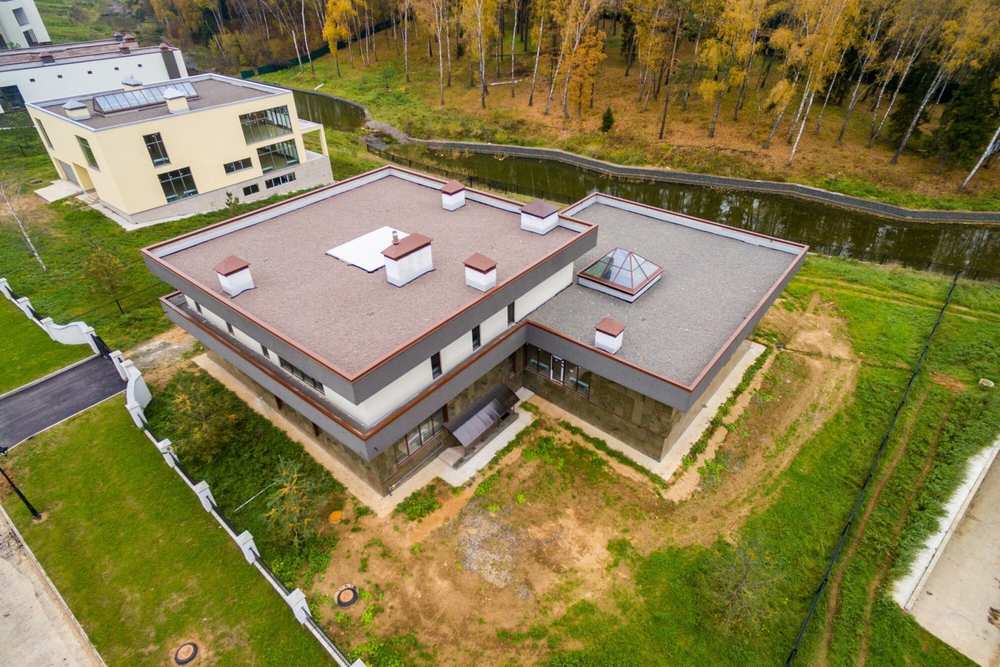
Flat roofs on porches, additions and commercial buildings collect water more easily. Ponding, seam separation and clogged drains are the usual concerns, so these roofs benefit from regular checks, especially after heavy rain.
Hail adds its own risks to every roof type. Learn how to spot it in our guide to hail damage on Georgia roofs.
FAQs
Can I inspect my roof myself?
You can do a basic check, but leave the roof itself to a professional. From the ground, a pair of binoculars and a flashlight in the attic after heavy rain will show you most early warning signs. Climbing onto the roof is risky and can damage shingles, so call a roofer for anything closer than ground level. A professional also knows which small signs point to bigger problems underneath.
Does homeowners insurance ever require a roof inspection?
Sometimes, yes: some insurers ask for a roof inspection before they write or renew a policy, and older homes are the most likely to get that request. Check your policy or ask your agent what they need. Ask your inspector for the report and drone photos in writing, since a dated record of your roof before a storm can support a later claim. Keep a copy of every report with your home records.
Is a roof inspection worth it if my roof looks fine?
Yes, because many problems are invisible from the ground. Lifted shingles, worn flashing and early leaks often look normal from the yard. If the inspector finds nothing, you have a clean baseline on file; if they find a lifted shingle or cracked flashing, it is usually a quick repair at that stage. Either way, you know where you stand going into the next storm season.
Book your free roof inspection and estimate today: Call (912) 612-2062 and Coastal Elite Roofing will help you protect your home.